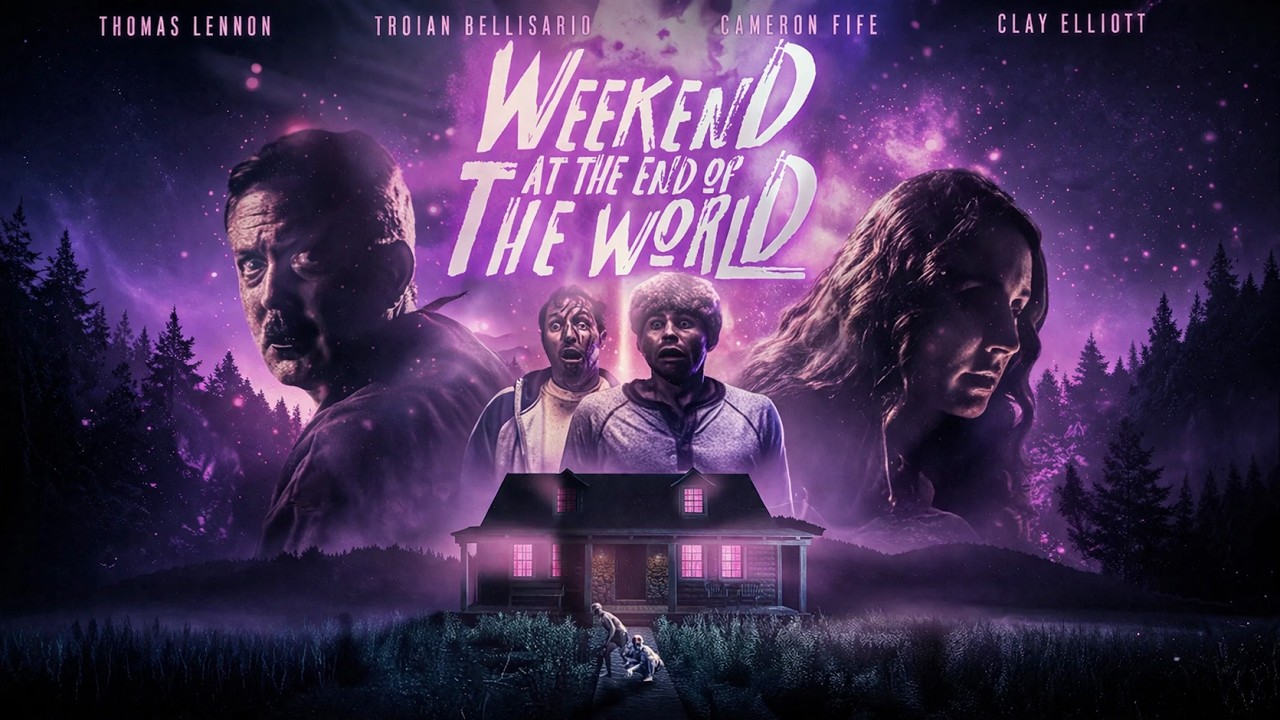
Gille Klabin's second feature, Weekend at the End of the World, arrived as a deliberate response to the lessons of his debut The Wave. Shot in 12 days on a sub-$300K budget within Los Angeles' 30-mile zone, the film was engineered for creative, logistical, and financial control from the outset—no studio greenlight required.
The conversation explores how the traditional distribution experience on The Wave—opaque marketing spends, limited transparency, and slow recoupment—prompted a sharper approach the second time. Klabin treats the current indie landscape as a tactical puzzle rather than a cause for complaint, walking through the mechanics of aggregators versus distributors, the economics of digital-first releases, and the decision to prioritize ownership, equity, and direct transparency.
He details a 50/50 equity split between investors and cast/crew, a flat-rate pay structure on set, and the conviction that filmmakers who want a more equitable system must first build it at their own scale. The episode also examines tone and structure: how surprise, emotional whiplash, and a balance of heart, humor, and genre (with nods to Shaun of the Dead, Tucker & Dale vs. Evil, and The Cabin in the Woods) can serve as deliberate storytelling tools.
Klabin, who grew up between the USA, Israel, and Austria before training at Westminster University and directing music videos, brings a hands-on perspective shaped by years working every department on set, editing his own projects, and handling VFX. The discussion closes on preparation, resilience, and the long game: make the film you can actually control, learn the business as deeply as the craft, and let your specific sensibility carry the work forward.
Gille Klabin is a filmmaker and commercial director whose kinetic visual style and genre fluency have carried him from music videos to features. Weekend at the End of the World continues the resourceful, high-energy approach evident in The Wave while tightening the business model around ownership and audience reach.
This episode matters now because many filmmakers face the same post-The Wave reckoning: greater control over marketing and revenue is no longer optional—it is central to sustainability.
Why This Release Strategy Matters
The discussion moves beyond complaint into specifics: how aggregators function as a service layer without taking equity, why transparent bookkeeping changes the conversation with investors, and how data-driven creative marketing (testing short-form assets, iterating on performance) can outperform opaque traditional spends. Klabin shares what he learned from running his own campaigns on The Wave and how those insights shaped the rollout plan for the new film.
A filmmaker takeaway emerges clearly: when budgets are micro and expectations remain high, the most powerful leverage comes from preparation before the first day of principal photography and ownership after picture lock. Building the film inside your actual sandbox—gear you know, locations you can secure, post skills you possess—creates space to focus on tone, surprise, and audience connection rather than waiting for external permission.
Klabin's approach underscores a practical truth: indie filmmaking in 2026 often demands wearing more hats, but those hats can be chosen. By handling marketing assets himself (with trusted collaborators like Paradise) and learning media buying, he removes layers that historically diluted returns. The flat pay and broad equity model further aligns the production with the belief that fairness starts at the micro-budget level. None of it is presented as universally prescriptive—simply as one tested path that prioritizes transparency and longevity over conventional deal-making.
The episode reveals how surprise and emotional whiplash function as strategic tools, not accidents. When tone shifts deliberately between levity and stakes, audiences stay engaged. That principle, paired with rigorous pre-production (storyboards, animatics, location scans turned into 3D previs), shows how preparation on a tight schedule can still deliver scope and polish.
Serious filmmakers can extract several grounded lessons
- Make the movie you can actually finish and own.
- Treat distribution and marketing as extensions of craft, not afterthoughts.
- Data from even small test campaigns can sharpen creative decisions faster than intuition alone.
- Equity and pay structures set the tone for how the entire team experiences the project.
What is the budget and shoot length of Weekend at the End of the World?
Shot in 12 days on a sub-$300K budget, entirely within the Los Angeles 30-mile zone.
How does Gille Klabin's distribution approach differ from The Wave?
He opted for an aggregator (Bitmax) with no equity taken, full transparency, and direct oversight of marketing and media buying rather than a traditional distributor sale.
What equity and pay structure did the production use?
50/50 split between investors and cast/crew; flat-rate pay for everyone on set regardless of role.
Which films influenced the tone and structure of Weekend at the End of the World?
Shaun of the Dead, Tucker & Dale vs. Evil, and The Cabin in the Woods—particularly their balance of heart, humor, stakes, and surprise.
Did Thomas Lennon join the project after reading the script?
He responded “I’m in” within minutes of receiving the email, before a full read, because he had availability and trusted the team.
How much VFX was involved and who handled it?
Over 100 VFX shots, largely executed by Klabin himself using tools including After Effects roto brush and particle systems.
Is the film available now?
The episode discusses the upcoming digital-first release; check the Past Present Feature show notes or Gille Klabin's channels for the latest rollout details.
What advice does Klabin give filmmakers about preparation?
Build the film multiple times in pre-production—storyboards, animatics, previs—before cameras roll so decisions on set become adaptations rather than inventions under pressure.